
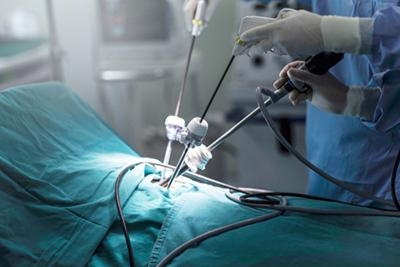
Hysterectomy is one of the most common gynecologic surgeries, performed to treat conditions such as uterine fibroids, endometriosis, chronic pelvic pain, and certain cancers. While traditional open surgery was once the standard approach, advances in minimally invasive techniques have transformed how this procedure is performed. For many women, minimally invasive hysterectomy offers shorter recovery times, reduced pain, and an overall smoother healing process.
What Is a Minimally Invasive Hysterectomy?
A minimally invasive hysterectomy is a surgical procedure that involves removing the uterus using small incisions instead of making one large incision in the abdomen. The procedures employed are laparoscopic hysterectomy, robotic surgery, and vaginal hysterectomy. They allow surgeons to conduct the procedure with precision, with little disruption of surrounding tissues.
Benefits Compared to Traditional Surgery
One of the most apparent differences between minimally invasive and traditional hysterectomy is the recovery period. Traditional open abdominal hysterectomy usually requires several days of inpatient hospitalization and six to eight weeks of recuperation before patients can resume normal activities. With minimally invasive procedures, however, usually only one night in the hospital, maximum, is required, and patients usually return to daily activities within two to four weeks.
Women undergoing minimally invasive hysterectomy also suffer less pain after surgery, fewer risks of infection, and smaller scarring compared to women undergoing open surgery. These benefits not only support physical recovery but also contribute to superior emotional well-being after recovery.
Factors That Influence Recovery
While minimally invasive techniques generally shorten recovery, every patient’s experience is unique. Factors such as overall health, age, and the reason for surgery can impact healing time. Following postoperative instructions, including activity restrictions and follow-up appointments, plays an important role in ensuring a smooth recovery.
Who Is a Candidate for Minimally Invasive Hysterectomy?
Not all women are candidates for this procedure. The best surgical approach depends on the underlying condition, the size of the uterus, and the patient’s medical history. An experienced gynecologic surgeon can evaluate individual needs and recommend the safest and most effective treatment option.
Moving Forward With Confidence
For women considering a hysterectomy, minimally invasive surgery provides an opportunity to reduce downtime and return to daily life more quickly. By combining advanced surgical techniques with compassionate care, today’s OBGYN specialists help patients achieve better outcomes and improved quality of life.